PartYard Defense
Last week, our team at PartYard had the privilege of attending Eurosatory 2024 in Paris as professional visitors. This premier defense and security exhibition brought together industry leaders, innovators, and partners from around the globe, and we are thrilled to share our experience and insights from this incredible event.
A Hub of Innovation
Eurosatory is renowned for showcasing the latest advancements in defense and security technology, and this year was no exception. The exhibition floor was filled with cutting-edge products and services designed to enhance safety, efficiency, and performance across various sectors. From state-of-the-art defense systems to pioneering cybersecurity solutions, the range of innovations on display was truly impressive.
Networking and Partnerships
One of the highlights of Eurosatory 2024 was the opportunity to connect with industry peers and establish new partnerships. As professional visitors, we engaged in insightful discussions with representatives from leading companies and organizations. These interactions provided us with valuable perspectives and potential collaborations that could drive future growth and innovation at PartYard.
Enhancing Our Offerings
Our primary goal at Eurosatory was to explore new technologies and ideas that could enhance our existing offerings in the marine and defense sectors. The event provided us with a wealth of knowledge and inspiration. We attended various presentations and demonstrations, gaining deeper insights into the latest trends and advancements. This knowledge will be instrumental as we continue to refine and expand our product and service portfolio.
A Special Thank You
We extend our heartfelt gratitude to Eurosatory for organizing such a pivotal event. The platform they provide is essential for fostering collaboration and innovation within the defense and security industry. We are grateful for the opportunity to participate and are already looking forward to future editions of the exhibition.
Moving Forward
At PartYard, we are committed to delivering the highest quality technological solutions and services to our clients. Our experience at Eurosatory 2024 has reinforced our dedication to innovation and excellence. We are excited to integrate the insights and connections gained from the event into our ongoing projects and initiatives.
A Visual Journey
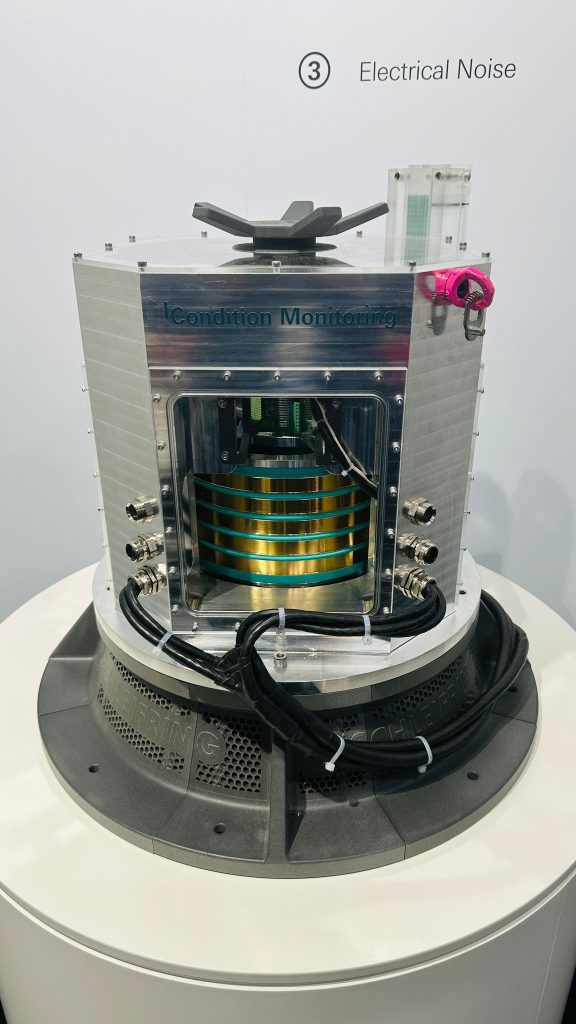
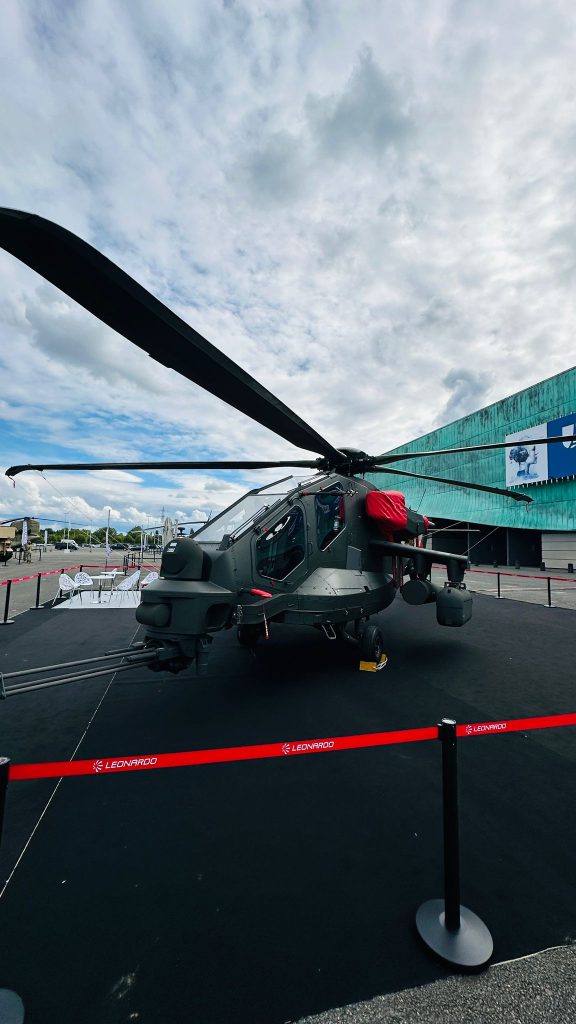
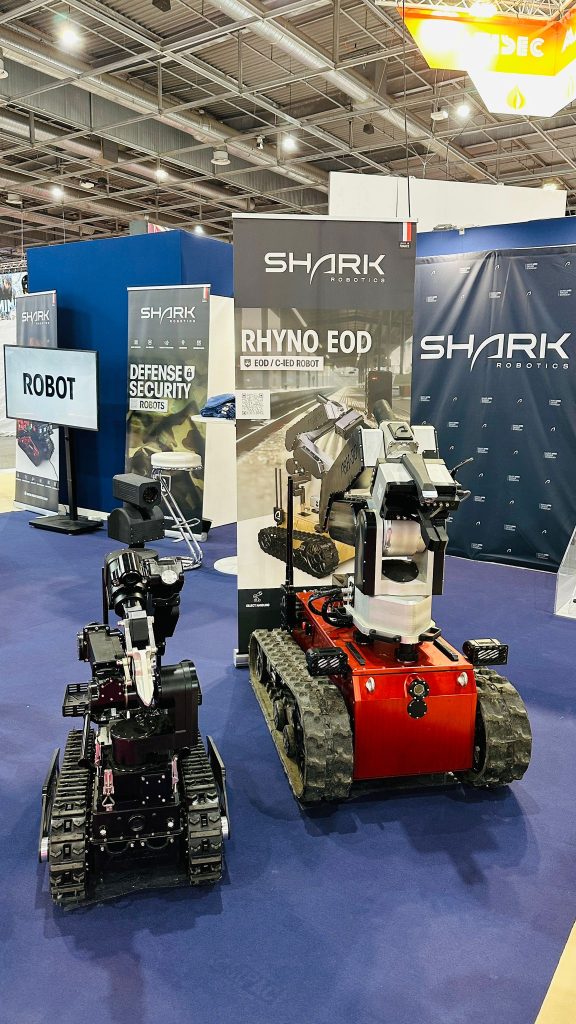
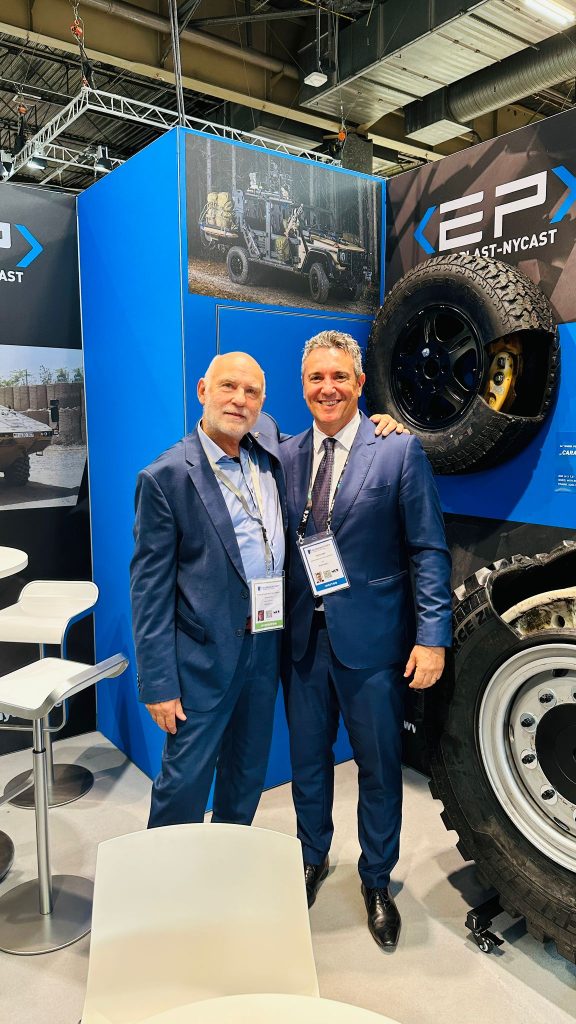
To give you a glimpse of our experience, here are some highlights from Eurosatory 2024:

Conclusion
Eurosatory 2024 was a remarkable event that underscored the importance of innovation and collaboration in the defense and security sectors. As we move forward, we are excited to apply the knowledge and connections gained to better serve our clients and contribute to a safer, more secure world.
Be Strong Together!
Call Us Today: +351 265544370
Email: sales@partyardmilitary.com
#PartYard #PartYardDefense #Eurosatory2024 #DefenseIndustry #SecurityInnovation #Networking #Technology #Innovation #GlobalSecurity #IndustryLeaders #DefenseTechnology #CuttingEdgeSolutions #ProfessionalVisitors #MarineSector #SecuritySolutions #FutureGrowth #Excellence #BeStrongTogether
Lockheed Martin celebrated a significant milestone with the delivery of the 2,700th C-130 Hercules military transport aircraft. This latest addition, a KC-130J Super Hercules, will be operated by the Marine Aerial Refueler Transport Squadron 252 (VMGR-252) of the U.S. Marine Corps (USMC) at the Cherry Point Naval Air Station in North Carolina.
Known for its proven performance and unmatched versatility, the C-130 Hercules is flown by operators in 70 countries around the world, performing a wide range of missions. The current production model, the C-130J, includes the KC-130J variant designed for aerial refueling. The Super Hercules series is certified to support 18 different mission requirements.
Rod McLean, vice president and general manager of Lockheed Martin’s Air Mobility & Maritime Missions business line, stated, “The Lockheed Martin team is honored to deliver this milestone Super Hercules to the Marines, where it will join the largest KC-130J fleet in the world and provide true force multiplication across the globe. This Hercules not only represents the 2,700th C-130 delivered but also reflects the inherent mission adaptability and performance that fuel the C-130’s continued relevance.”
The KC-130J‘s tactical design allows it to fly at low speeds and altitudes, ideal for refueling helicopters as well as fighters like the Boeing F/A-18 Hornet/Super Hornet and the Lockheed Martin F-35B/C Lightning II.
Today, the global C-130J fleet includes 26 operators in 22 countries, with over 20 airworthiness certifications. The fleet of more than 540 Super Hercules aircraft has logged nearly 3 million flight hours globally.
Be Strong Together!
Call Us Today: +351 265544370
Email: sales@partyardmilitary.com
LockheedMartin #CHercules #KC130J #SuperHercules #USMC #AerialRefueling #MilitaryAviation #AviationMilestone #AirMobility #GlobalFleet #Aerospace #Defense #AviationNews #AirForce #MarineCorps #MilitaryTransport #FlightHours
Lockheed Martin has been awarded a significant contract to develop and build the next generation of U.S. geostationary weather satellites for the National Oceanic and Atmospheric Administration (NOAA). The contract, announced on June 18, is valued at an estimated $2.27 billion if all options are exercised.
Awarded by NASA on behalf of NOAA, the contract includes the development of three Geostationary Extended Observations (GeoXO) satellites and options for four additional spacecraft.
Lockheed Martin, which also developed the current Geostationary Operational Environmental Satellite R (GOES-R) series, will launch the fourth and final satellite in this series, GOES-U, on June 25, 2024, from NASA’s Kennedy Space Center in Florida.
“Our team is excited and ready to move forward to design and field this critical national capability,” said Kyle Griffin, Lockheed Martin’s Commercial Civil Space vice president and general manager. “Our GeoXO design draws heavily from what we’ve learned with GOES-R spacecraft over the last 15 years, while incorporating new, digital technologies not only onboard the vehicles but in the design and development of this powerful, weather-monitoring platform of the future.”
The new GeoXO satellites will enhance GOES-R’s capabilities, providing improved visible and infrared imagery, lightning mapping, nighttime imagery, hyperspectral sounding, and detailed information on ocean and atmospheric conditions. These advancements are expected to significantly improve weather and air quality forecasts.
The first GeoXO satellite is slated for launch in the early 2030s, with the constellation expected to be operational through the late 2050s. The GeoXO spacecraft will be based on Lockheed Martin’s modernized LM2100 satellite bus.
Be Strong Together!
Call Us Today: +351 265544370
Email: sales@partyardmilitary.com
#LockheedMartin #GeoXO #GeostationarySatellites #NOAA #NASA #WeatherSatellites #GOESR #SpaceInnovation #SatelliteTechnology #WeatherForecasting #AirQuality #SpaceExploration #LM2100
Safran Electronics & Defense has introduced its latest innovation, the Advanced Cognitive Engine (ACE) artificial intelligence system, at Eurosatory 2024. The ACE system aims to incorporate AI capabilities across all Safran Electronics & Defense products, enhancing situational awareness, decision support, and reducing cognitive load for field forces.
The ACE system is designed to significantly improve target detection, classification, and identification by compensating for environmental factors like atmospheric turbulence and low-light conditions. It also offers advanced tracking and automatic target detection to ease the cognitive demands on users during missions. Adaptable to various environments—such as open landscapes, deserts, and jungles—ACE ensures optimal performance across different terrains.
Branded as “ACE on board,” this suite of capabilities will be integrated into a wide range of equipment, including land vehicles, aircraft, naval sights, and portable optronics products. ACE will also be embedded in Safran Electronics & Defense’s drones and robotic systems, enabling more efficient fleet management and operation.
Addressing the ethical implications of AI use, ACE ensures that users remain central to the decision-making and action processes.
“Discussing AI at this year’s event is both important and natural for us,” said Alexandre Ziegler, EVP of the Defense Division at Safran Electronics & Defense. “Leveraging our expertise in AI and high-tech imaging systems, we are delivering significant performance advancements for our customers.”
Initially, ACE’s capabilities will be available via an external processor, with plans to integrate them directly into equipment through dedicated electronics. To stay aligned with evolving operational needs, the ACE solution will receive biannual updates.
Be Strong Together!
Call Us Today: +351 265544370
Email: sales@partyardmilitary.com
#Safran #ACEAI #Eurosatory2024 #AdvancedCognitiveEngine #ArtificialIntelligence #DefenseTech #SituationalAwareness #AIinDefense #MilitaryInnovation #TargetDetection #CognitiveLoadReduction #HighTechImaging #EthicalAI #DefenseSolutions #TechAdvancements #RoboticSystems #FleetManagement #DefenseIndustry
Saft, the French battery manufacturer and a subsidiary of Total, announced on Friday its ambitious plans to invest more than 200 million euros (approximately 175.2 million pounds) in a groundbreaking European battery alliance project. This initiative, formed in partnership with Siemens, Solvay, and Manz earlier this year, aims to pioneer the development of a new generation solid-state battery capable of competing with established manufacturers from Asia and the United States.
According to Saft, the funding contributions from its alliance partners are still under negotiation. The company intends to finance part of this investment internally, with additional support anticipated from the European Union, which has committed to bolstering Europe’s battery sector.
Europe currently trails behind global competitors in battery technology, forcing European automakers to rely on dominant Asian suppliers like Panasonic, Samsung SDI, and BYD as electric vehicle demand escalates.
Saft’s strategic objective is to achieve competitive solid-state battery technology by 2025, promising batteries that deliver twice the performance of current market offerings. These next-gen batteries are projected to support 5,000-10,000 charge and re-charge cycles, ensuring over a decade of service life for electric vehicles and a calendar life of up to 20 years.
“The timeline involves showcasing a prototype cell at the laboratory level by the fourth quarter of 2019, followed by the establishment of a 2 megawatt-hour (MWh) pilot line by Q4 2021,” stated Saft.
Successful development milestones include scaling up to a 1 gigawatt-hour manufacturing standard block by the fourth quarter of 2023, with plans to expand production further based on market demands starting in 2024.
If realized, this initiative promises to significantly bolster Europe’s standing in the global battery market, marking a crucial step towards achieving sustainable and technologically advanced energy solutions.
Be Strong Together!
Call Us Today: +351 265544370
Email: sales@partyardmilitary.com
#PartYard #PartYardDefese #Saft #SaftBatteries #Total #TotalEnergies #SolidStateBattery #EuropeanBatteryAlliance #ElectricVehicles #BatteryTechnology #EUInnovation #GreenEnergy
The future of warfare is rapidly changing, with NATO taking significant steps to prepare for battles not fought by soldiers but by autonomous military robots. Following the example of Ukraine, Russia, and the United States, NATO has embarked on creating its own fleet of autonomous robotic vehicles.
A substantial contract worth 9 million euros has been awarded to the German company ARX Robotics to develop and manufacture a series of unmanned armored ground vehicles. This initiative is funded by the NATO Investment Fund, an independent venture capital fund of one billion euros involving 24 of the 32 member countries.
This development follows the recent announcement by the Pentagon of the Replicator program, an ambitious project aimed at creating a vast fleet of replicable, low-cost robotic combat squadrons. These initiatives mark a significant shift in military strategy, emphasizing the role of technology in future conflicts.
The decision comes just two months after humanity witnessed the first-ever battle between robots, where Russian unmanned ground robots engaged in combat with Ukrainian “kamikaze” drones.
The new robots developed by ARX will not be armed but will support ground forces in roles such as transport, medical evacuation, and drone deployment. Each robot is equipped with tracking technology and can be fitted with various technologies, including radar and mine detection devices.
“Western democracies are not prepared for robotic warfare,” said Marc Wietfeld, CEO and co-founder of ARX Robotics. He emphasized the need for a critical mass of interconnected, unmanned autonomous ground systems to significantly enhance military capabilities.
The modular design of ARX Robotics’ machines allows them to be easily modified for various attack and defense functions. The largest model, the GEREON, is an unmanned ground vehicle (UGV) capable of carrying up to 500 kg. These robots can be configured quickly on the battlefield and communicate through software and artificial intelligence. They can operate autonomously or be remotely controlled if needed.
To date, ARX Robotics has developed 12 robots, tested by the militaries of Ukraine, Germany, Austria, Switzerland, and Hungary. These UGVs are relatively affordable, with prices ranging from 30,000 to 150,000 euros each.
Wietfeld highlighted the importance of decentralized production and the deployment of these systems on a large scale. He emphasized ARX’s commitment to contributing to European technological sovereignty by expanding production, generating software-defined systems, and developing adaptable hardware to meet the demand for robust and autonomous unmanned systems.
As Europe and countries like Portugal debate the possibility of reinstating mandatory military service, including for women, the prospect of deploying robots to the battlefield offers a more palatable alternative for future conflicts.
Be Strong Together!
Call Us Today: +351 265544370
Email: sales@partyardmilitary.com
#PartYard #PartYardDefense #NATO #AutonomousRobots #MilitaryTechnology #ARXRobotics #FutureWarfare #RoboticCombat #UGV #DefenseTechnology #InnovationInDefense #EuropeanSecurity #BeStrongTogether
Quantum computing takes a monumental leap forward as Quantinuum, the leading integrated quantum computing company, introduces the H2-1 quantum computer, boasting an impressive 56 trapped-ion qubits. This unveiling marks a significant advancement in the field, showcasing enhanced fidelity that surpasses previous industry standards.
In collaboration with researchers from JPMorgan Chase, Quantinuum conducted groundbreaking experiments, notably achieving a remarkable 100x improvement in the Random Circuit Sampling (RCS) algorithm over Google’s 2019 results. This achievement sets a new world record for the cross entropy benchmark, solidifying the H2-1’s position as an unparalleled quantum computing powerhouse.
Rajeeb Hazra, CEO of Quantinuum, emphasizes the company’s commitment to qubit quality over quantity, revolutionizing the potential applications of quantum computing across various industries such as finance, logistics, transportation, and chemistry.
Ilyas Khan, founder and Chief Product Officer of Quantinuum, underlines the significance of this milestone, stating that quantum computing is transitioning from theoretical to practical application, paving the way for transformative solutions in real-world scenarios.
The experiment not only demonstrates the superior computational capabilities of the H2-1 but also highlights its efficiency, boasting an estimated 30,000x reduction in power consumption compared to classical supercomputers. This efficiency makes the H2-1 an optimal solution for a wide range of computational challenges.
Marco Pistoia, Head of Global Technology Applied Research at JPMorgan Chase, expresses excitement about leveraging the H2-1’s high fidelity to advance quantum algorithms, particularly in industrial and financial use cases.
Quantinuum’s recent breakthroughs further solidify its position as an industry leader in quantum computing. These include overcoming the “wiring problem,” achieving exceptional two-qubit gate fidelity, and collaborating with Microsoft to achieve Level 2 Resilient quantum computing.
Dennis Tom, General Manager of Microsoft Azure Quantum, anticipates continued collaboration with Quantinuum to enhance the resiliency and utility of quantum operations.
In a testament to Quantinuum’s promising trajectory, the company recently closed a $300 million equity fundraise, supported by major investors including JPMorgan Chase, Mitsui & Co., Amgen, and Honeywell.
With these groundbreaking achievements, Quantinuum propels quantum computing into a new era of innovation, bringing us closer to the long-awaited commercialization of quantum applications across various sectors.
The unveiling of the H2-1 and its remarkable performance in the RCS task signify a monumental step forward in the quest for practical quantum computing solutions, heralding a future where classical supercomputers can no longer compete.
Be Strong Together!
Call Us Today: +351 265544370
Email: sales@partyardmilitary.com
#PartYard #PartYardDefense #Quantinuum #H21 #QuantumComputing #Breakthrough #RCS #Google #JPMorganChase #Innovation #Fidelity #IndustryLeader #Technology #FutureTech #Fintech #Logistics #Transportation #Chemistry #Milestone #Efficiency #PowerConsumption #MicrosoftAzure #ResilientComputing #Investment #Commercialization #TechNews #BeStrongTogether
With over six decades of expertise in the transparency business, Saint-Gobain Aerospace has solidified its reputation as a key competitor in the aerospace industry, delivering top-tier acrylic materials and enhanced glass strength. Renowned for their customer-centric approach, Saint-Gobain continues to excel in providing transparency services across various aerospace segments, ensuring that customer satisfaction remains their utmost priority.
Cockpit Windows: Engineering Brilliance
One of Saint-Gobain’s standout innovations is the use of chemically reinforced SOLIDION glass in their cockpit windows. This advancement significantly boosts glass strength and quality, a testament to their commitment to excellence. Each window design is custom-made to meet specific customer requirements, incorporating key capabilities such as:
- De-icing / De-fogging: Ensures clear visibility in adverse weather conditions.
- Bird Strike Resistance: Enhances safety by withstanding impacts.
- Fail-safe Design: Guarantees reliability under extreme conditions.
- Water Repellent Coating: Maintains clarity in various environments.
Helicopter Windshields: Meeting Rigorous Standards
Saint-Gobain offers a diverse range of helicopter windshields and windows, from basic entry-level designs to the most complex de-iced, bird-strike resistant products. These are crafted to meet CS27 and CS29 certification standards, with offerings including:
- Monolithic Cast Acrylic: Provides robust, clear windows.
- Stretched Acrylic: Balances superior mechanical properties with reduced weight.
- Bilayers: Incorporates complex features like de-icing while maintaining strong performance.
- Light and Heat Transmittance Control: Enhances pilot comfort and visibility.
Canopies: Advanced Solutions for Modern Aircraft
Saint-Gobain excels in delivering high-quality canopies using cast or stretched acrylic materials. Their designs, whether monolithic or laminated, ensure high-performance optics while minimizing weight. Key capabilities include:
- Bird Strike Certification: Fully tested and certified for safety.
- Improved Optical Clarity: Ensures the best possible visibility.
- Ejection System Compatibility: Integrates seamlessly with aircraft ejection systems.
Cabin and Door Windows: Enhancing Passenger Experience
Saint-Gobain’s cabin windows are designed with a focus on superior optics, enhancing passenger comfort and experience. These windows feature:
- Strong Optical Clarity and Light Control: Ensures an optimal passenger experience.
- MIL-P-25690 Approved Stretch Acrylic: Meets stringent industry standards.
Wingtip Transparencies: Protecting Aircraft Lighting Systems
The company also specializes in designing and supplying light system transparencies, ensuring the protection and efficiency of aircraft lighting systems. These are tailored to match the aircraft fuselage shape, ensuring proper aerodynamics while safeguarding the lighting components.
Repair and Replacement Services: Ensuring Safety and Performance
Recognizing the critical nature of aircraft transparencies, Saint-Gobain has earned the trust of airlines worldwide with their repair and replacement services. They perform complex repairs and offer replacement solutions to support everyday operations. Additionally, Saint-Gobain provides training services to help customers maximize performance and cost-effectiveness.
PartYard Partnership
PartYard is proud to partner with Saint-Gobain, supplying, maintaining, and repairing their high-quality transparency products. This long-standing collaboration ensures that customers receive the best support and solutions for their aerospace needs.
Saint-Gobain Aerospace continues to lead the industry with its innovative transparency solutions, reflecting a legacy of quality, reliability, and customer satisfaction. As the aerospace industry evolves, Saint-Gobain remains at the forefront, delivering cutting-edge solutions to meet the ever-changing demands of modern aviation.
Be Strong Together!
Call Us Today: +351 265544370
Email: sales@partyardmilitary.com
Aerospace #SaintGobain #AviationInnovation #AircraftSafety #TransparencyTechnology #AerospaceEngineering #CockpitWindows #HelicopterWindshields #AircraftCanopies #PassengerExperience #AircraftMaintenance #AviationExcellence #AerospaceMaterials #AerospaceIndustry #EngineeringExcellence
The Defense Advanced Research Projects Agency (DARPA) has announced the selection of six companies to advance the development of an experimental, lightweight drone capable of vertical takeoff and landing from ships. This initiative, known as the Advanced Aircraft Infrastructure-Less Launch and Recovery (ANCILLARY) program, aims to create drones that can operate without the need for large mechanical launchers or landing equipment.
The chosen firms include major defense contractors AeroVironment, Griffon Aerospace, Karem Aircraft, Method Aeronautics, Northrop Grumman, and Sikorsky, a subsidiary of Lockheed Martin. These companies will now focus on refining their ANCILLARY designs, aiming to enhance the operational capabilities of small vertical takeoff and landing uncrewed aerial systems (UAS).
DARPA envisions ANCILLARY leading to drones that can be deployed and retrieved from Navy ships, providing significant advantages in carrying cargo, conducting intelligence, surveillance, and reconnaissance missions, and tracking and targeting enemies beyond a ship’s line of sight. These drones must be capable of taking off and landing like helicopters on ship decks or rough surfaces in various weather conditions and perform long-range missions akin to winged aircraft.
“The goal of ANCILLARY is to increase small vertical takeoff-and-landing UAS capabilities by a factor of three over the current state-of-the-art flying today,” said DARPA program manager Steve Komadina. He emphasized the need for innovative solutions to enhance payload weight, range, and endurance while eliminating the requirement for special infrastructure. The primary users of this technology would be the Navy and Marine Corps, though it could also benefit the Army, Air Force, Coast Guard, and U.S. Special Operations Command.
In June 2023, DARPA initially selected nine companies to present their concepts for ANCILLARY, narrowing the list to six for further development. These companies will enter a 10-month phase to mitigate risks and conduct hover tests on their proposed aircraft elements. Following this phase, they will submit proposals for the next phase, which involves fabrication and flight testing. Formal flight tests of the overall designs are expected to commence in early 2026.
Christopher Harris, the program manager for Northrop Grumman‘s ANCILLARY effort, highlighted the integration of autonomous capabilities, vertical takeoff and landing, and long-endurance aircraft design. Northrop‘s drone will feature a dual-rotor system for takeoff and landing, supplemented by a propeller for forward flight, capable of carrying 60-pound payloads over a 100-nautical-mile range for up to 20 hours.
Sikorsky‘s design, currently undergoing flight tests, is a “rotor blown wing” that transitions from vertical to horizontal flight, promising reduced drag and improved efficiency. Sikorsky plans to develop a 300-pound hybrid-electric version if selected, capable of carrying a 60-pound ISR payload using Lockheed‘s autonomous MATRIX technology.
Method Aeronautics, in collaboration with Sierra Nevada Corp. and Bechamo, is also progressing with a novel VTOL design aimed at enhancing the use of UAS by U.S. forces. Method emphasizes the critical nature of this technology for wider VTOL UAS deployment.
Statements from AeroVironment, Griffon Aerospace, and Karem Aircraft were not immediately available.
The ANCILLARY program represents a significant leap forward in drone technology, promising enhanced operational flexibility and capabilities for U.S. military forces.
Be Strong Together!
Call Us Today: +351 265544370
#PartYard #PartYardDefense #DARPA #Drones #UAS #DefenseTechnology #MilitaryInnovation #ANCILLARY #VerticalTakeoff #ShipLaunchedDrones #NavyTech #AeroVironment #GriffonAerospace #KaremAircraft #MethodAeronautics #NorthropGrumman #Sikorsky #LockheedMartin #VTOL #AutonomousDrones #SurveillanceTech #MilitaryDrones #BeStrongTogether
We are excited to announce that our Military Division has been rebranded as PartYard Defense & Aerospace. This strategic shift reflects our commitment to innovation, sustainability, and the evolving needs of modern defense.
PartYard has long been a leader in the defense industry, operating from multiple international offices. The rebranding of our Military Division signifies our dedication to a broader and more forward-looking approach to defense and aerospace solutions.
A Forward-Looking Vision
PartYard Defense & Aerospace will continue to build on our robust legacy, offering a wide array of services, including cutting-edge technology development, efficient acquisitions, and sustainable logistics. Our division is dedicated to providing life cycle support for qualified systems, top-notch environmental services, and world-class procurement services tailored to defense-related needs.
“This rebranding is more than just a name change,” said Bruno Monteiro, CEO of PartYard. “It signifies our commitment to adapting to the changing landscape of defense and aerospace. Our focus remains on delivering exceptional solutions that meet the modern demands of our industry.”
Expanded Capabilities
In addition to our core services, PartYard Defense & Aerospace will also encompass our renowned Air Cargo Solutions and Cyber Security Solutions. These divisions are integral to enhancing our comprehensive service offerings, ensuring we remain at the forefront of innovation and security in the defense sector.
Air Cargo Solutions – Our Air Cargo Solutions provide state-of-the-art logistics and transportation services, ensuring efficient and secure movement of critical assets globally.
Cyber Security Solutions – In an era where cyber threats are ever-evolving, our Cyber Security Solutions offer robust protections designed to safeguard critical infrastructure and sensitive information.
Sustainable and Innovative Approach
Sustainability remains a cornerstone of our operations. Our environmental services are designed to minimize ecological impact while maximizing efficiency and performance.
“Sustainability and innovation go hand in hand at PartYard Defense & Aerospace,” Bruno Monteiro added. “We are committed to developing technologies and solutions that not only meet today’s needs but also contribute to a sustainable future.”
Commitment to Excellence
The rebranding to PartYard Defense & Aerospace underscores our unwavering commitment to excellence in defense and aerospace solutions. By embracing a broader and more inclusive identity, we are poised to continue our legacy of delivering high-quality, innovative solutions that support global security and advancement.
For more information about PartYard Defense & Aerospace and our comprehensive range of services, please explore our website.
Be Strong Together!
Call Us Today: +351 265544370
#PartYard #PartYardDefense #Innovation #Technology #Partnerships #Collaboration #FutureTech #Science #Business #Development #Partyard #QuantumTech #DigitalTransformation #InnovationLeadership PartYardDefenseAerospace #Rebranding #DefenseIndustry #Aerospace #Innovation #Sustainability #Technology #CyberSecurity #AirCargo #GlobalDefense #EnvironmentalServices #LifecycleSupport #Procurement #ModernDefense #AdvancedSolutions #SustainableFuture #DefenseContractor #DefenseTechnology #BeStrongTogether